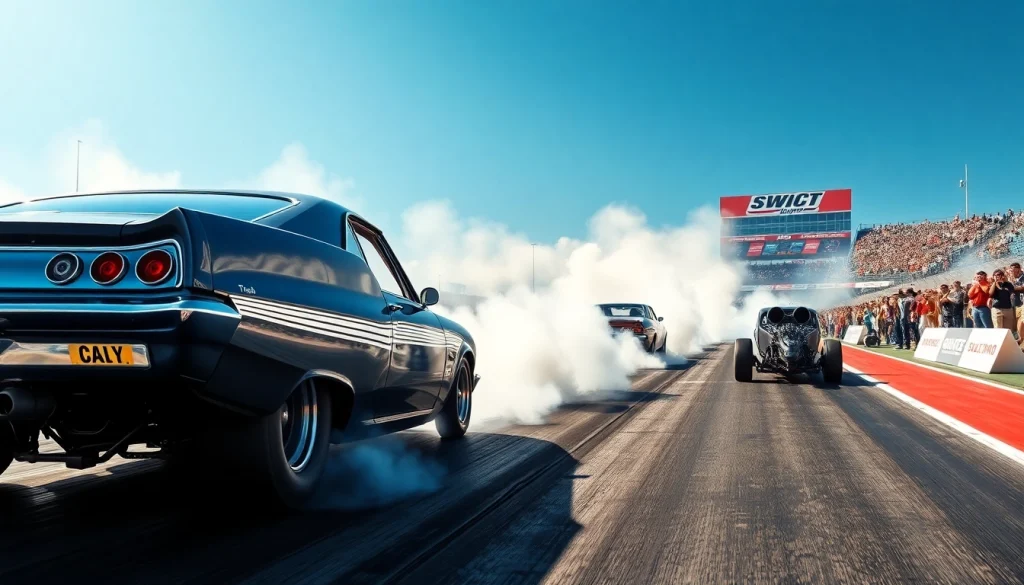
Introduction to Drag Racing Events
For motorsport enthusiasts, few experiences rival the adrenaline rush of Drag Racing Events. Spanning decades, drag racing has not only become a storied tradition but also an electrifying spectacle for fans and participants. In this comprehensive article, we will delve into the multifaceted world of drag racing, exploring its history, the types of events, major organizations involved, practical tips for attending, and the exciting future of this high-octane sport.
What Are Drag Racing Events?
Drag racing is a type of motorsport where two drivers compete head-to-head in a race over a straight quarter-mile (or eighth-mile) track. The primary objective is to be the first to cross the finish line after a concerted launch from a standing start. This sport is not just about speed; it integrates engineering, strategy, and sometimes even artistry in customizing vehicles. Importantly, drag racing events can vary in format, size, and competitive spirit, ranging from professional levels to local grassroots races.
History and Evolution of Drag Racing
The origins of drag racing trace back to the early days of automobiles. In the post-World War II era, as car culture blossomed in the United States, enthusiasts started informal races on back roads and deserted airstrips. The first official drag racing event took place in 1950 at the Goleta Airstrip in California. As the sport gained popularity, organized events began to sprout up, leading to the formation of governing bodies. The National Hot Rod Association (NHRA) was founded in 1951, marking a significant milestone in the sport’s institutionalization.
Over the years, the evolution of technology has played a pivotal role in drag racing. From the introduction of electronically controlled fuel injection to advancements in safety gear and track surfaces, the sport has continuously adapted to enhance performance and safety. Today, drag racing showcases various classes, each featuring unique specifications and vehicle types, including top fuels, funny cars, and super stocks.
Types of Drag Racing Events
There are several types of drag racing events, each catering to different styles, vehicle types, and levels of competition.
- Professional Events: These include sanctioned races by organizations like the NHRA and the International Hot Rod Association (IHRA) where top-tier teams compete for national championships.
- Bracket Racing: Common at local tracks, this form allows racers to compete against each other based on dial-in times, emphasizing precision over raw speed.
- Street Racing: Often unsanctioned and held on public roads, this form of drag racing lacks official rules or safety measures.
- Heads-Up Racing: In this format, two vehicles compete without any handicapping, making it purely about the fastest car.
Major Organizations Behind Drag Racing Events
Understanding the backbone of drag racing involves looking at the major organizations that govern and promote the sport.
NHRA and Its Role in Drag Racing
The National Hot Rod Association (NHRA) is the primary governing body of drag racing in the United States. Founded in 1951, it organizes the major professional racing series, including the Mission Foods Drag Racing Series, featuring events like the U.S. Nationals and the Winter Nationals. The NHRA not only sets the rules and regulations of the sport but also plays a significant role in promoting safety and fairness through its stringent guidelines.
Each season, the NHRA hosts numerous events across the country, drawing massive crowds and spotlighting top competitors. The organization is also instrumental in training and mentoring the next generation of racers while advocating for motorsports as a safe and thrilling pastime.
IHRA: Another Key Player in the Sport
The International Hot Rod Association (IHRA) presents another major force in the drag racing arena, providing a competitive platform that appeals to various types of racers. Similar to the NHRA, the IHRA organizes professional series and local events, along with a focus on grassroots racing, ensuring that spectators and participants can enjoy the thrill of the sport at all levels.
Local and Regional Drag Racing Events
In addition to major organizations, local and regional drag racing events are crucial for fostering community engagement and offering opportunities for newcomers to participate. These events typically occur at smaller tracks and may feature bracket racing as a primary format, promoting inclusivity for amateur racers.
Track rental events are also popular, allowing private car owners the chance to test their vehicle’s capabilities in a controlled environment. Such occasions not only provide racing thrills but also strengthen local motorsport communities.
How to Find Upcoming Drag Racing Events
For fans and participants, staying updated on upcoming drag racing events is essential. Fortunately, there are numerous resources available.
Utilizing Online Calendars and Schedules
One of the most accessible methods of finding drag racing events is through online calendars and schedules provided by organizations such as the NHRA and various racing tracks. Websites like NHRA’s official schedule offer detailed listings of events, including race dates, locations, and ticket information.
Tips for Attending and Enjoying Drag Racing Events
Attending a drag racing event can be a thrilling experience, but preparation is key to maximizing enjoyment:
- Arrive Early: To secure parking and a good viewing spot, it’s best to arrive early before the festivities begin.
- Know the Schedule: Familiarize yourself with the schedule of events, as there may be multiple sessions and classes throughout the day.
- Pack Essentials: Bring sunscreen, ear protection, and snacks to enhance comfort during lengthy events.
Community Resources for Drag Racing Enthusiasts
Various forums, social media groups, and local clubs serve as valuable resources for enthusiasts looking to engage with the drag racing community. These platforms often provide insights into upcoming events, meetups, and local racing news. Connecting with others who share the same passion can lead to opportunities for collaboration and camaraderie.
Making the Most of Your Drag Racing Experience
Once you’ve decided to attend a drag racing event, understanding how to optimize your experience will add to the thrill.
What to Bring to Drag Racing Events
To ensure a comfortable and enjoyable outing, consider bringing the following items:
- Comfortable clothing suited for the weather conditions.
- A portable chair for relaxed viewing.
- Hydration supplies to stay refreshed throughout the day.
- A camera for capturing memorable moments.
Safety Guidelines at Drag Racing Venues
Your safety is paramount when attending drag racing events. Here are some key safety guidelines:
- Adhere to all posted safety regulations and instructions from event staff.
- Stay in designated spectator areas to avoid potential hazards.
- Be cautious of noise levels; use hearing protection if necessary during races.
Engaging with the Drag Racing Community
To get the most out of the drag racing experience, engage with fellow fans, drivers, and racers. Many events offer meet-and-greet opportunities, allowing fans to connect directly with their favorite competitors. Sharing stories, tips, or advice fosters a sense of camaraderie and enriches the overall atmosphere at the track.
Future Trends in Drag Racing Events
As with many sports, drag racing is not immune to the influence of changing technologies and societal trends. The sport is evolving to meet new challenges and embrace innovation.
Emerging Technologies in Drag Racing
The integration of cutting-edge technology has become increasingly prevalent in drag racing, with advanced data analytics, improved aerodynamics, and enhanced tuning capabilities shaping the sport’s future. Electronic logging devices (ELDs) and telemetry systems are being utilized by teams to optimize performance and provide real-time data analysis.
Sustainability Initiatives in Racing
As environmental concerns grow, the drag racing community is taking strides to promote sustainability. Initiatives include the exploration of alternative fuels, electric drag racing, and eco-friendly practices at events. For instance, projects like the NHRA’s Green Racing program aim to reduce the sport’s carbon footprint while still delivering thrilling performance.
How Drag Racing Events Are Adapting to Change
The ability of drag racing events to adapt and innovate will determine their trajectory in the coming years. Organizers are embracing digital platforms for ticket sales and real-time viewing experiences through livestreams. Furthermore, introducing diversified event formats can attract a broader audience, ensuring the sport remains vibrant and engaging.
Conclusion
The world of drag racing events is an exhilarating mix of speed, community, and engineering excellence. Whether you’re a seasoned racer or a curious newbie, understanding the intricacies of the sport enhances your appreciation and enjoyment. Armed with knowledge about various types of events, organizations, and tips for attending, you can fully immerse yourself in this thrilling motorsport. Moving forward, as drag racing continues to evolve with emerging technologies and initiatives aimed at sustainability, the future looks bright for this spectacular sport.